
Welcome to Exit Strategy
I’m Stuart Miles and this is Exit Strategy, my take on entrepreneurship, business strategy, getting ready for exit, gadgets, fun stuff to spend your money on, and things I learn along the way.

“I was so out of my depth that I hadn’t just snuck in via the back door, but through the downstairs toilet window” - overheard in a pub.

I’m Stuart Miles and this is Exit Strategy, my take on entrepreneurship, business strategy, getting ready for exit, gadgets, fun stuff to spend your money on, and things I learn along the way.
After weeks of sitting on the fence about whether to start a newsletter, a phone call with my friend Rory Cellan-Jones, who runs the excellent Always On newsletter, sealed the deal. “Just do it,” he told me, so here we are.
This week I’ve been playing with the new Apple iPhone 17 Pro, have been advising a friend about finding his company’s “why”, and learning about pricing strategies.
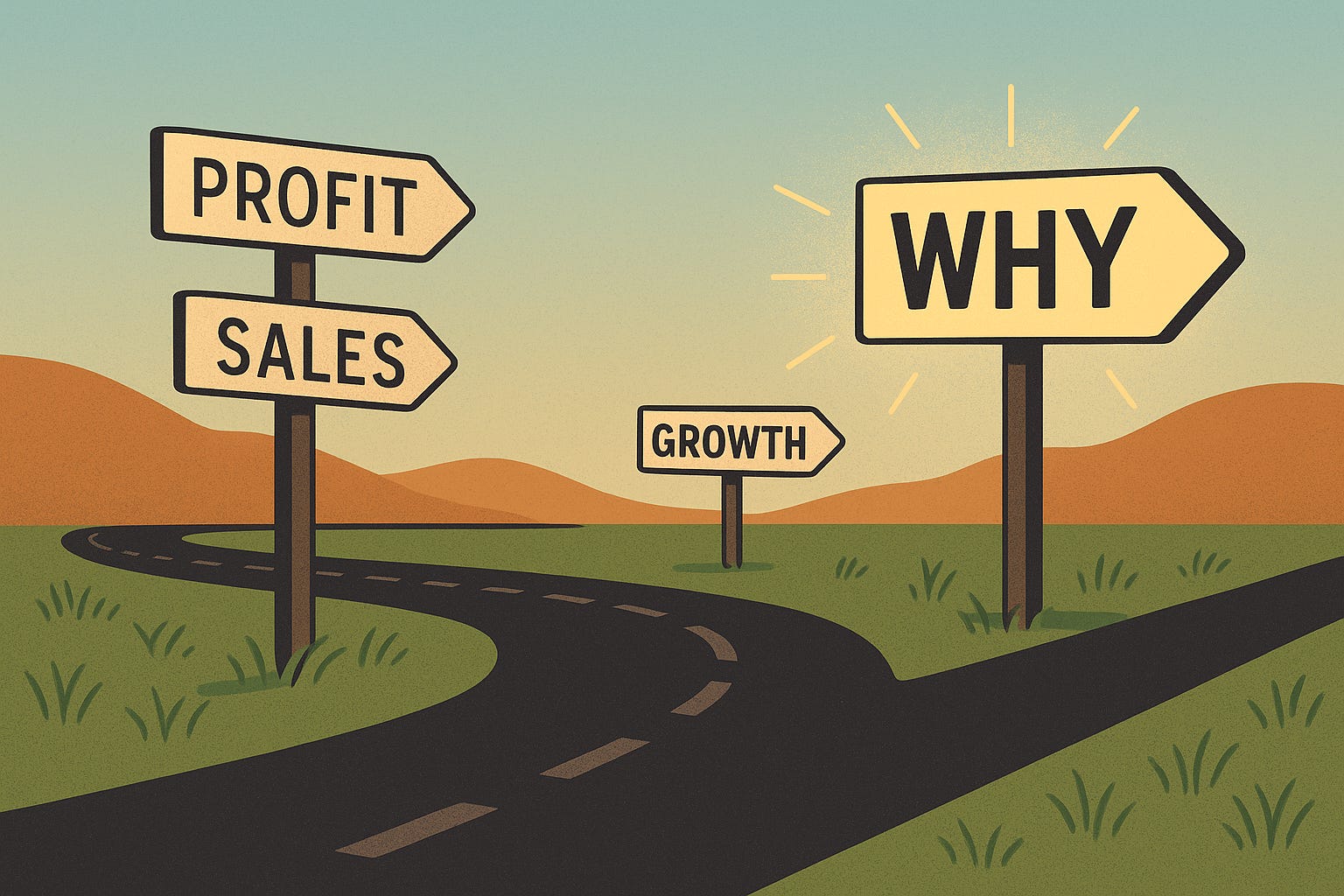
Have you lost your why?
Let’s start with an easy one. It can be seen as being cliche, but it’s worth stating, because most people forget about it all together.
Why are you doing this? Why are you building it? Why have you come into work today? Why should your customers care?
When was the last time you asked these questions for your business or what you do?
For example, why am I starting a newsletter now?
I’ve realised since selling my first business that I like to ask questions, throw in plenty of grenades, and challenge myself and others to question everything.
Combine that active inquiring mind with the fast paced and unpredictable world of entrepreneurship, and I get to blend my skills as a storyteller with my business acumen to hopefully deliver something relevant, insightful, and ultimately helpful.
I don’t promise to have all the answers, but I’ve learnt a lot over the years attending thousands of events and questioning hundreds of CEOs, founders, and industry leaders from Steve Jobs to Elon Musk to Sir James Dyson and plenty of others in-between.
And while many will try and tell you what’s what and how you can 10x your business with three simple steps, it’s surprising how many people haven’t actually built and then sold a successful business themselves. That’s not a brag, well maybe it is a little bit, but there’s a lot of hustle and a lot of snake oil salespeople out there.
So there you have it, that’s my pitch, my “why”.
Most companies do usually start with a “why”, it’s just that the “why” gets lost along the way.
Normally the “why” goes something like this. Someone spots a problem, works out how to solve it or finds a way solution to address it, and then tells everyone they know how to help.
The “why” for my current business, Squirrel, is to help solve many of the pain points we personally saw editorial teams struggle with. By removing those pain barriers, they get to concentrate on doing what they do best. Telling stories.
Look further afield and you can see the “why” in plenty of places. Google’s “why” was to help you find information easily, Starbucks to let you get your caffeine fix on every high street, and a business like Yankee Candles, to make your home smell of “Autumn Abundance” or “Spiced Pumpkin” whether you like it or not.
But when the “why” gets forgotten and the products or offering turns to just focusing on making money, things start to go wrong.
So, ask yourself, what’s your “why” and you might be surprised that you’re not as sure as you thought you might be.
You don’t have to run a business. The why could be related to a department, it could be a project, or even a relationship with a friend. But, by owning the “why”, you’ll soon realise that what you do has purpose, has relevance, and has meaning.
All those three put together give you a much more powerful message.

Have you ever heard of the decoy effect?
I hadn’t until recently, and I’ve not only been fascinated by it since but have already tried to incorporate it into some decisions and pitches at Squirrel.
The idea is that if we must choose between two alternatives, the addition of a third, less attractive options (the decoy) can influence our perception of the original two choices.
In this article – the example is popcorn at the cinema:
“Imagine you’re lining up at a movie theatre to buy some popcorn. You’re not all that hungry, so you think you’ll get a small-sized bag. When you get to the concession stand, you see the small costs $3, the medium is $6.50, and the large is $7. You don’t really need a whole large popcorn, but you end up buying it anyway because it’s a much better deal than the medium.”
Sneaky.
But it’s not just popcorn, this approach was highlighted to me recently when I was talking to someone on LinkedIn about this year’s iPhone 17 pricing. In this example the regular iPhone 17 is the small, the Air is the medium, and the Pro is the large.
A week after the iPhone went on sale and backorders for the Pro are least two weeks, but you can buy an Air tomorrow. Coincidence?
My pick of this week’s big tech stories…
A £1,000 pair of earphones, a keyboard that’s powered by light, and GoPro has revealed a new mini action camera with a built-in light.
Here is my pick of the biggest stories I’ve spotted this week (Friday 25th September):
- Samsung’s smart fridges start showing ads, much to the annoyance of its customers who just want to sit in their kitchen and eat their breakfast in peace.
- Apple says that its new Live Translation found on its AirPods Pro range can’t launch in the EU because of DMA regulations. Awkward.
- Qualcomm’s announced a new super-duper processor that will power the next wave of Android devices.
- Amazon is closing all its Fresh grocery stores in the UK.
- According to latest stats from the government, YouTube content creators contributed a whopping £2.2bn to the UK economy in 2024.
- DJI announced the Osmo Nano tiny wearable camera.
- Your Sonos speakers can now control your Philips Hue lights without needing Alexa or Google voice assistants.
- GoPro has launched the Lit Hero, an action camera with a built-in light.
- Logitech has launched a light powered keyboard that never needs to be charged (well unless you use it in the dark for 4 months).
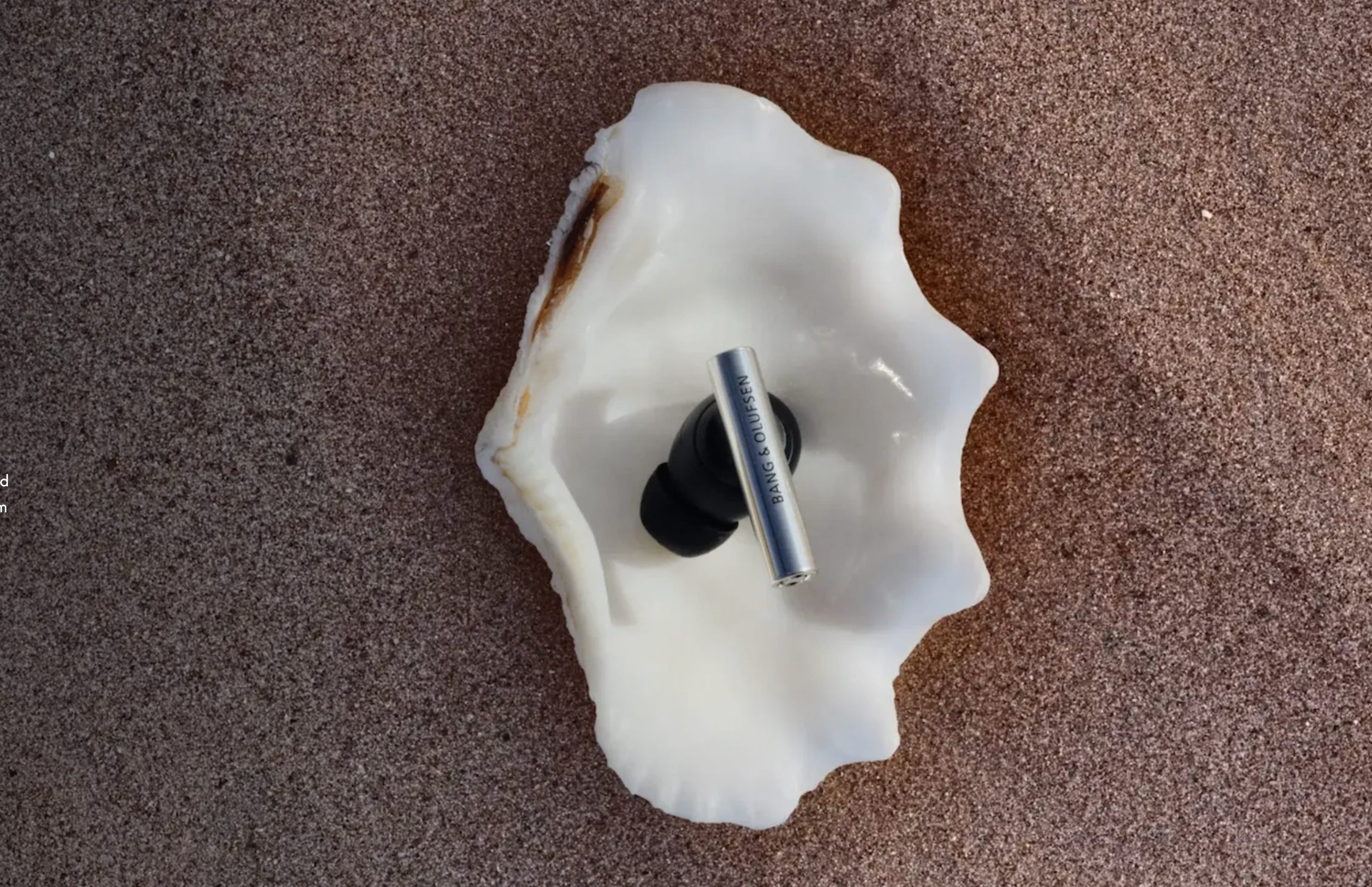
- And finally, if you fancy spending more than the price of the new iPhone 17 Pro, on a pair of earphones and a good looking case to put them in then B&O has your back (pictured above). The new Beo Grace earphones promise ANC, stellar sound, and a snazzy leather case all for just £1,250. Gulp.
I’ve been playing with…
…the new Apple iPhone 17 Pro for the last week and here’s what I think:
Let’s get straight too it. The camera is noticeably improved (that 8x zoom is great), so’s the battery life (all day and then some), and I’ve noticed that it doesn’t get as hot when playing games or running labour intense tasks like video editing. Cool.
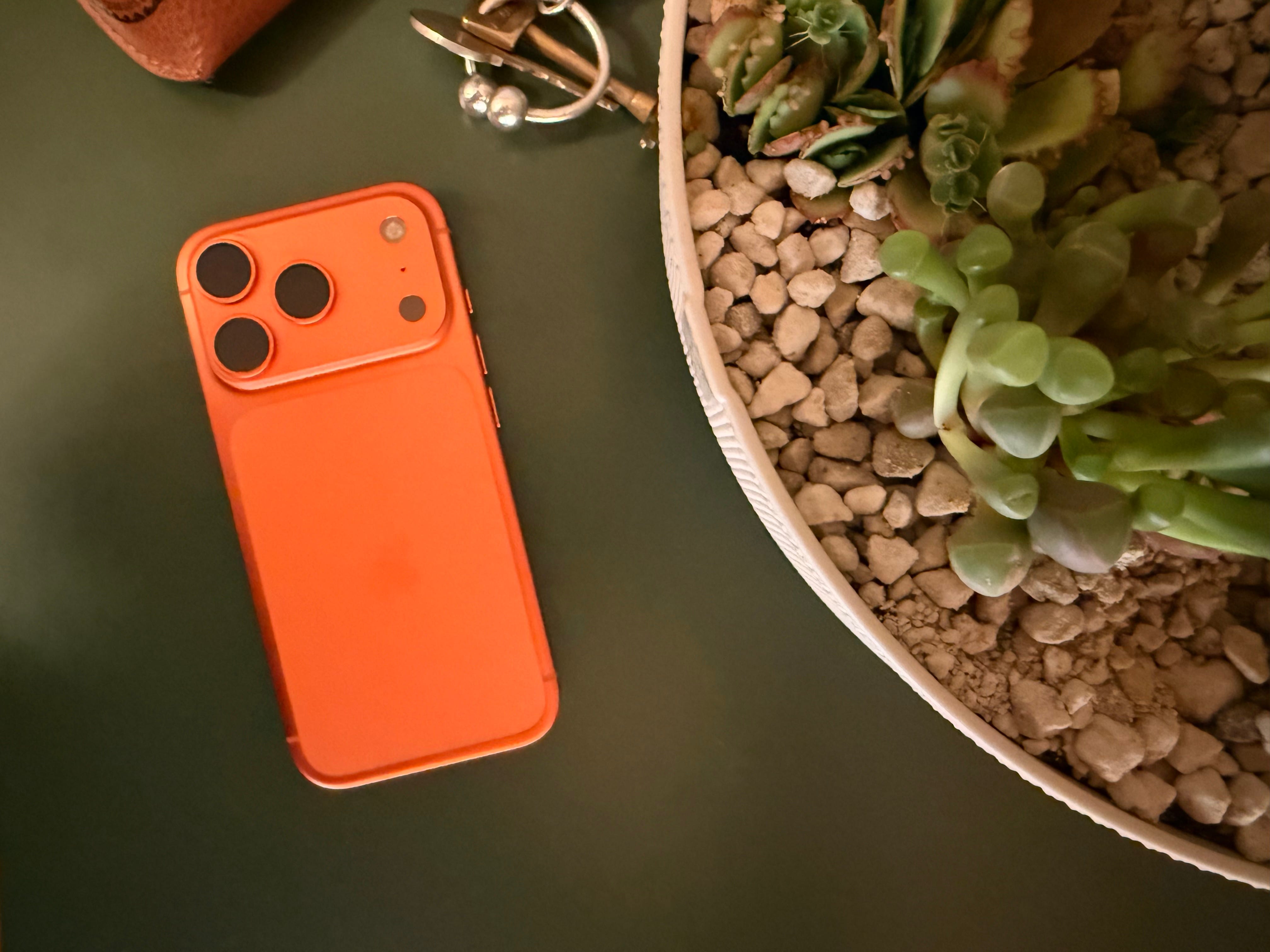
There’s a new tweaked design (aluminium rather than titanium) that’s more rounded, and therefore more comfortable to hold, and yes, the orange model really stands out, but you will need to be brave enough to ditch a case to really show it off.
Don’t worry, Apple promises it’s its toughest iPhone yet (both front and back).
The catch? I suspect your current iPhone, especially if you’ve only had it a couple of years, probably already does everything you want and need it to do.
If you’re happy, there’s no huge technological leap here that I can tell you about that will urge you to dump your perfectly good iPhone that’s already in your pocket and rush out to buy the new 17 Pro.
This new iPhone does tick all the boxes you can probably think of. It’s a great phone, even following the old iPhone reviewer’s cliché, the best one yet.
If you’re still rocking anything including or prior to the iPhone 14 range then this, orange obviously, Pro (£1099/$1099) delivers a fantastic experience that is a noticeable and worthy upgrade.
While the Air is a very interesting thin distraction, for me, the Pro is the one you’ll not only want, but the one that is likely to deliver more over the long term.
About Me
If you don’t know me, I’m Stuart Miles. I founded the popular consumer tech site Pocket-lint in 2003, which I grew, with a team of 20, to 12m monthly readers before successfully selling it in 2022.
Never one to stop, I’m now building Squirrel, a suite of tools that help publishers grow and understand their affiliate revenues (as you might expect, if you purchase through links in this newsletter, I may earn an affiliate commission).
I also chair two forums at founder community Helm, advise businesses on strategy, and comment on the biggest stories in consumer tech for LBC News in the UK every Friday morning. Oh, and now write this newsletter 😀.
Thanks for reading.